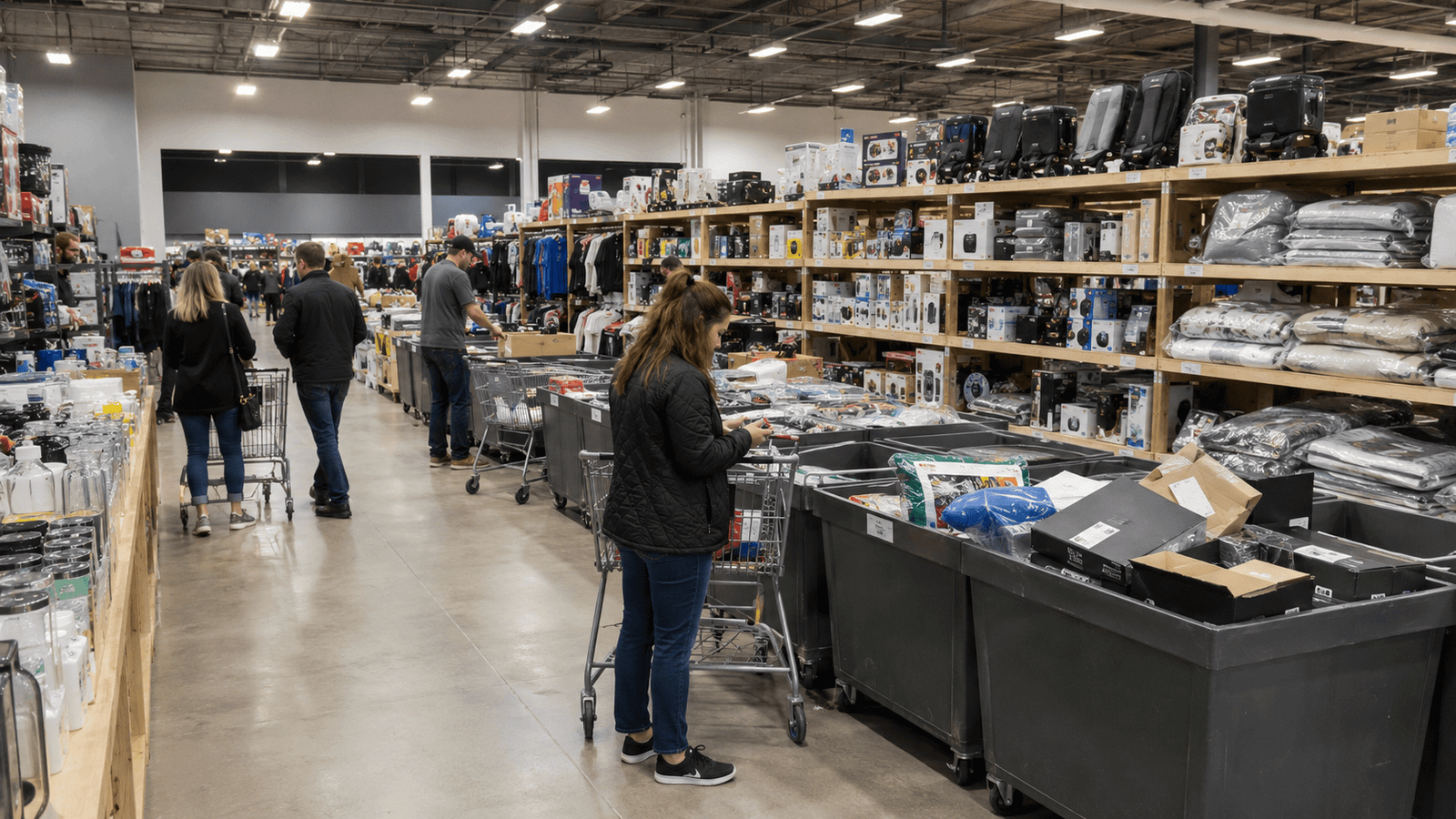
If you enjoy bargain hunting, a liquidation outlet can be an interesting place to shop. A Crate Deal liquidation outlet is a bin-style discount store in Tea, South Dakota, where shoppers can look through crates of liquidation merchandise and buy items at a set price for the day. The store says it purchases liquidated merchandise by the truckload and places products in crates for shoppers to discover. Unlike a traditional retail store, you may not know exactly what you will find before you visit. One trip could include home goods, electronics, toys, tools, clothing, or other general merchandise. The selection can change as inventory moves through the store. This makes liquidation shopping different from normal retail shopping. You may find a useful product at a low price, but you also need to check its condition, completeness, and value before paying. In this guide, you will learn how A Crate Deal liquidation outlet works, what types of products you may find, how its pricing model works, what product conditions to watch for, and how to decide whether a deal is actually worth buying. What Is an A Crate Deal Liquidation Outlet? A liquidation outlet sells merchandise that has entered the secondary retail market rather than being sold through a standard retail shelf at its original price. A Crate Deal liquidation outlet is a specific liquidation outlet located at 46923 Austin St., Tea, South Dakota. Its official website describes the business as a discount store with an entertainment-style shopping experience, where merchandise is placed in crates for customers to search through. What is a liquidation outlet? A liquidation outlet is a store that sells goods obtained through liquidation channels. These goods can include excess inventory, customer returns, overstock, shelf pulls, and other merchandise that a retailer or distributor no longer wants to keep in its normal sales system. The exact source and condition of products can vary from one liquidation business to another. At A Crate Deal liquidation outlet, the store states that it buys liquidated merchandise by the truckload. The merchandise is then placed into crates, allowing shoppers to search for individual products. How liquidation merchandise works A retailer may have more inventory than it needs. It may also receive products that customers have returned. Instead of keeping every item in regular inventory, some merchandise can move through liquidation channels. A liquidator may purchase these goods in large quantities. A liquidation outlet then sells them to consumers at lower prices. The result is a shopping model based on discovery. You are not simply walking into a store and selecting from a fixed shelf of identical products. Liquidation stores vs. regular retail stores A regular retail store usually has organized inventory, consistent product lines, and standard pricing. A Crate Deal liquidation outlet is different. Regular Retail Liquidation Outlet More predictable inventory Inventory changes often Products usually have standard retail packaging Packaging and condition can vary Prices are usually based on individual products Some outlets use flat daily pricing Larger quantities may be available Quantities may be limited Shopping is more predictable Shopping can involve more searching Neither model is automatically better. It depends on what you are trying to buy. Who shops at liquidation outlets? Several types of shoppers may be interested in liquidation stores: Bargain shoppers Families looking for low-cost household items Hobbyists DIY shoppers Gift shoppers Small business owners Online resellers People who enjoy treasure-hunt-style shopping For a reseller, the attraction is obvious: a low purchase price can create an opportunity for a profit. However, a low price does not guarantee that an item will sell. How A Crate Deal Liquidation Outlets Work The basic idea is simple: liquidation merchandise is acquired in large quantities, placed into the store’s shopping system, and sold at prices that can change during the sales cycle. When visiting an A Crate Deal liquidation outlet, shoppers can expect the merchandise selection to vary based on new inventory arrivals and previous customer purchases. Where does liquidation inventory come from? Liquidation inventory can come from different sources. Common examples include: Customer returns Overstock Excess inventory Shelf pulls Seasonal merchandise Products being cleared from a retailer’s inventory Other secondary-market inventory The exact source of a particular item is not always obvious from looking at it. That is why shoppers should judge each product individually rather than assuming that every item is new. Customer returns and overstock Customer returns can enter liquidation channels when a retailer decides that returning an item to normal inventory is not practical. For example, a customer may return a product because they changed their mind. Another product may have opened packaging or signs of previous handling. Overstock is different. An overstock item may simply be merchandise that a retailer has more of than it needs. These two categories can look very different when you inspect them. Shelf pulls and excess inventory Shelf pulls are products removed from normal retail shelves. They may be unused, but packaging can sometimes show signs of handling. Excess inventory can also move into liquidation when a seller wants to make room for newer products. This is one reason liquidation shopping can include a wide mixture of conditions. How products are sorted and priced A Crate Deal liquidation outlet uses a crate-based shopping model. Its website says it has 25 crates and that merchandise varies from crate to crate. The store also uses a changing flat-price system rather than assigning a separate price to every item in the crates. According to its official site, the advertised weekly cycle begins with freshly stocked merchandise at a higher per-item price and decreases as the week progresses. Because prices and schedules can change, shoppers should check the store’s current information before making a trip. How inventory changes over time Liquidation inventory is not permanent. New merchandise arrives, shoppers purchase items, and unsold products may move through the pricing cycle. A Crate Deal liquidation outlet says it clears and prepares its crates for a fresh truckload during its closed days. This means one