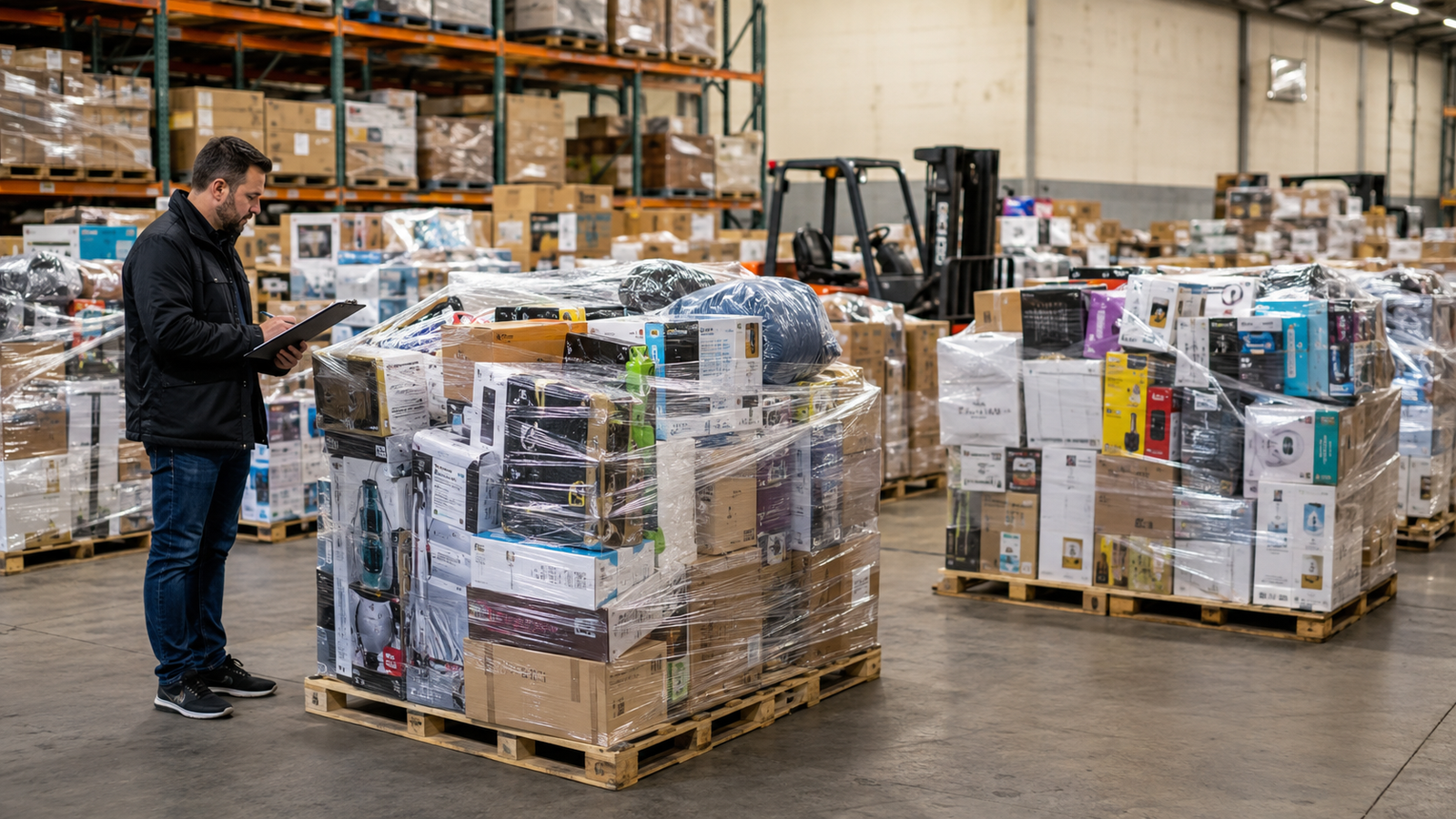
Buying merchandise pallets has become a popular way for retailers, online sellers, and small businesses to source products at lower prices. Instead of purchasing individual items from traditional wholesalers, many entrepreneurs buy entire pallets filled with customer returns, overstock products, excess inventory, or liquidation stock. These pallets can include electronics, clothing, home goods, tools, toys, and many other product categories. For resellers, the appeal is simple: buy inventory in bulk, sort the products, and sell individual items for a potential profit. However, success depends on knowing where to buy pallets of merchandise and understanding what you are actually purchasing. Not every pallet is the same. Some contain valuable products ready for resale, while others may include damaged, incomplete, or difficult-to-sell items. In this guide, you will learn where to buy pallets of merchandise, the different types available, how much they cost, what to check before purchasing, and how to avoid common mistakes. Whether you are starting a small resale business or expanding your inventory, knowing where to buy pallets of merchandise can help you make smarter buying decisions and choose inventory that fits your budget and business goals. What Are Merchandise Pallets? Merchandise pallets are large shipping platforms loaded with products sold together as a single unit. These pallets usually contain inventory that businesses need to move quickly because it is no longer part of their regular sales process. Large retailers, manufacturers, and distributors often have excess stock for many reasons. Products may be returned by customers, replaced by newer models, removed from store shelves, or left over after seasonal sales. Instead of storing these products indefinitely, companies sell them through liquidation channels. Buyers can then purchase these pallets at discounted prices and resell the items through online marketplaces, local stores, flea markets, or social media platforms. Common Types of Merchandise Pallets Merchandise pallets can contain many different product categories, including: Electronics such as headphones, smart devices, computers, and accessories Clothing and footwear Home appliances and household items Furniture and home décor products Tools and hardware Toys and games Beauty products Seasonal items Mixed general merchandise The type of pallet you choose should match your experience, customer base, and selling platform. For example, someone selling on online marketplaces may prefer small electronics because they are easy to ship. A local reseller may prefer furniture or home goods because customers can pick them up directly. Why Do Companies Sell Merchandise Pallets? Businesses sell pallet inventory for several reasons. Customer Returns Many online and retail purchases are returned for reasons unrelated to product quality. Customers may return items because they changed their mind, ordered the wrong size, or no longer need the product. Returned items often cannot be sold as brand-new inventory, so retailers move them through liquidation channels. Overstock Inventory Retailers frequently purchase more products than they can sell. Seasonal items, discontinued products, or slow-moving inventory can take valuable warehouse space. Selling these products through liquidation helps companies recover some value while clearing storage areas. Store Closures and Inventory Changes When businesses close locations or change product lines, they often need to sell remaining inventory quickly. Liquidation pallets provide a practical way to move large amounts of stock at once. Difference Between Liquidation, Overstock, and Customer Return Pallets Understanding pallet conditions is important before buying. Liquidation Pallets Liquidation pallets usually contain products that companies want to sell quickly. These pallets may include customer returns, excess inventory, damaged packaging, or discontinued products. The condition can vary greatly. Overstock Pallets Overstock pallets contain products that were never sold. These items are often unused and may still have original packaging. Because the products are usually in better condition, overstock pallets may cost more than customer-return pallets. Customer Return Pallets Customer-return pallets contain items that buyers have sent back. Some products may be unused, while others may have missing parts, cosmetic damage, or functional issues. These pallets often require more inspection and sorting. Where to Buy Pallets of Merchandise If you are searching for where to buy pallets of merchandise, there are several reliable sources available. Each option has different benefits, costs, and risks. The best choice depends on your budget, location, product category, and resale experience. A. Online Liquidation Marketplaces Online liquidation marketplaces are one of the most common places to purchase merchandise pallets. These platforms connect retailers, manufacturers, and liquidation companies with buyers looking for discounted inventory. Buyers can browse available pallets, review product details, check manifests, and place orders online. How Online Liquidation Marketplaces Work The process is usually simple: Create a buyer account Browse available pallets Review product descriptions Check estimated value and condition Purchase or bid on inventory Arrange shipping or pickup Many platforms organize pallets by category, such as electronics, clothing, tools, or mixed merchandise. Advantages of Online Liquidation Marketplaces Online marketplaces offer several benefits: Wide Product Selection You can access inventory from many sellers without visiting multiple warehouses. Convenient Buying Process Everything can be researched and purchased online. Access to Large Retail Sources Some platforms receive inventory from major retailers and manufacturers. Easier Market Comparison Buyers can compare prices, categories, and pallet conditions before purchasing. Disadvantages of Online Liquidation Marketplaces However, there are also challenges. Limited Physical Inspection You usually cannot inspect every item before buying. Shipping Costs Large pallets can become expensive to transport, especially across long distances. Product Condition Risk Photos and descriptions may not reveal every issue. What to Check Before Buying Online Before purchasing, review: Seller ratings Product condition details Available photos Manifest information Shipping costs Buyer reviews Return policies A cheap pallet may not be a good deal if transportation costs are high or many items cannot be resold. B. Retailer Liquidation Auctions Retailer liquidation auctions allow buyers to bid on inventory directly through auction-style platforms. Large retailers often use auctions to sell returned goods, excess inventory, and discontinued products. How Retailer Auctions Work Sellers create listings with information about the pallet or truckload. Buyers then compete by placing bids. The highest bidder purchases the inventory when the auction closes. Some auctions