Email us: info@ukwholesalepallets.co.uk

Free worldwide shipping on all orders over £500.00

Blog

how do i buy pallets of merchandise

How Do I Buy Pallets of Merchandise? A Simple Guide

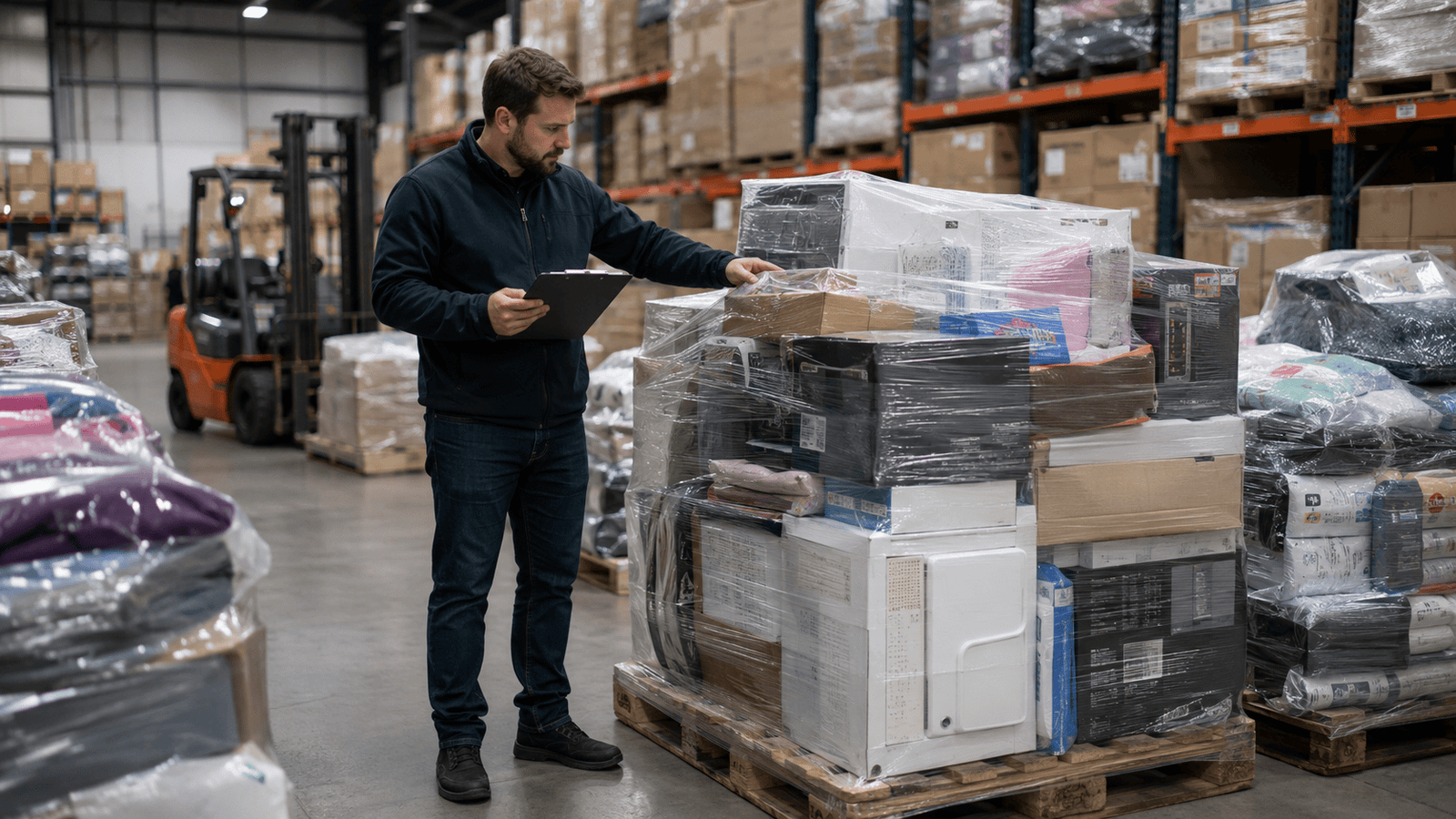
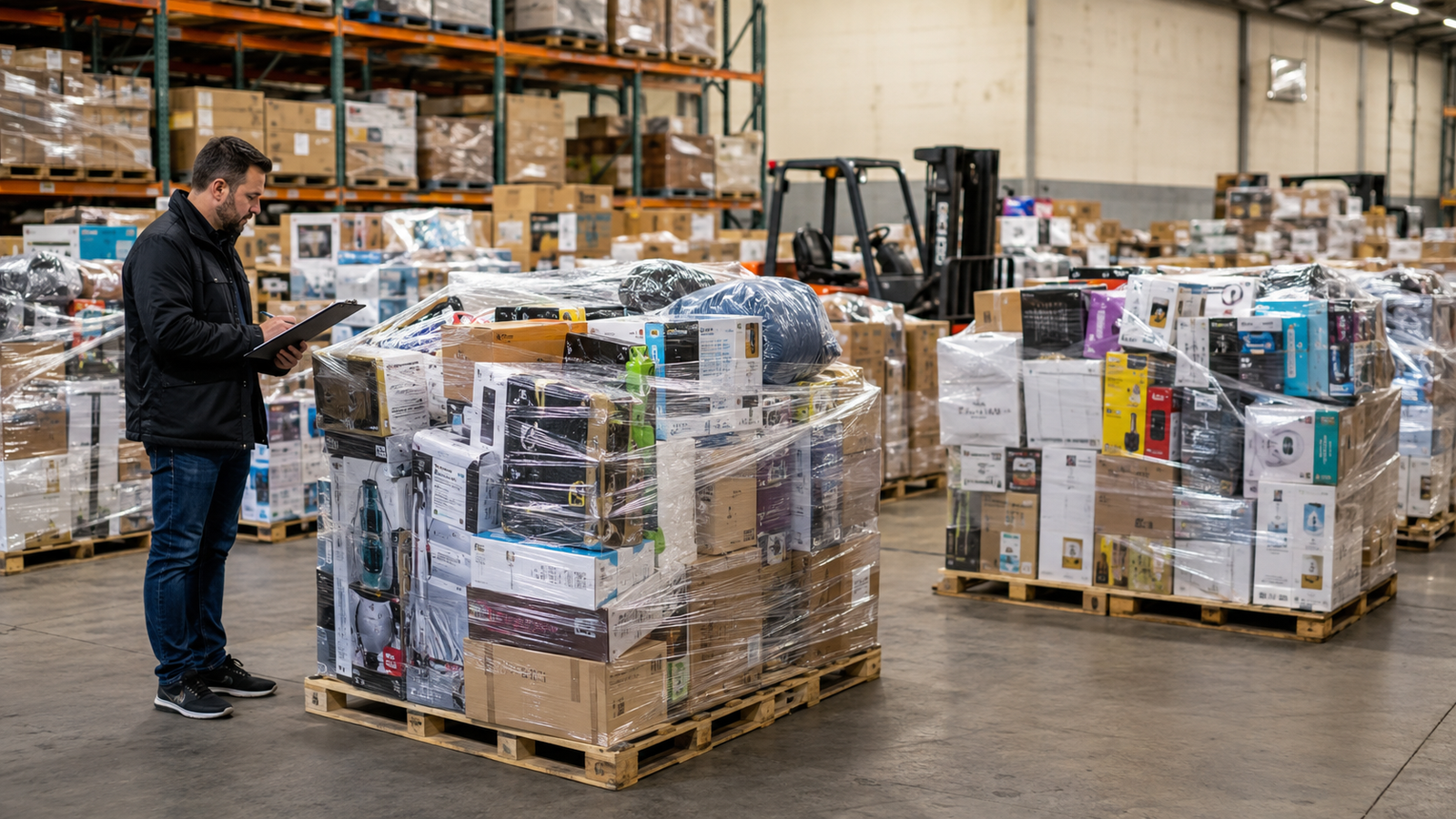
Buying pallets of merchandise can be an affordable way to find inventory for a resale business. Instead of purchasing products one at a time, you can buy a large group of items in a single pallet. These pallets may contain overstock, customer returns, shelf pulls, discontinued products, or other liquidation merchandise. Depending on the supplier and product condition, pallets can include clothing, electronics, tools, toys, home goods, and general merchandise. But if you are new to liquidation, you may be wondering, how do I buy pallets of merchandise without making costly mistakes? The process is easier when you know what to look for. First, decide which products you want to sell and set a realistic budget. Next, find a reliable liquidation supplier or marketplace. Before buying, carefully review the pallet description, photos, condition information, and manifest if one is available. You should also research the seller and understand shipping costs, taxes, fees, return policies, and other charges. If you are asking how do I buy pallets of merchandise for the first time, remember that the cheapest pallet is not always the best option. Some pallets may contain damaged, incomplete, or slow-moving products. Your actual cost also includes shipping, storage, marketplace fees, and other business expenses. Researching potential resale prices before you buy can help you make a more informed decision. In this guide, you will learn how do I buy pallets of merchandise step by step. We will cover where to find pallets, how to evaluate listings, how to read a pallet manifest, how much pallets can cost, and how to avoid common scams. You will also learn practical tips for inspecting your shipment and reselling the products. Whether you are starting a small resale business or looking for another source of inventory, understanding how do I buy pallets of merchandise can help you make smarter purchasing decisions. What Are Pallets of Merchandise? A merchandise pallet is a large shipment of products grouped on a pallet for transportation or sale. A pallet can contain dozens or even hundreds of individual products, depending on the product type, packaging, and seller. Businesses may sell these pallets when inventory is no longer needed, has been returned by customers, has been removed from store shelves, or needs to be cleared from a warehouse. The exact contents can vary widely. For example, one pallet might contain small household products, while another could contain clothing, tools, toys, electronics, or a mixture of different items. Common Types of Pallet Inventory The most common categories include: Overstock Customer returns Shelf pulls Salvage goods Discontinued merchandise Mixed general merchandise Brand-specific inventory The condition of the products is especially important. Some products may be new and unopened. Others may have damaged packaging, missing parts, signs of use, or other issues. How Do I Buy Pallets of Merchandise Safely? Before placing an order, research the supplier and check whether the listing provides enough information about the merchandise. If you are learning how do i buy pallets of merchandise safely, focus on the seller’s reputation, product condition, manifest, photos, shipping terms, and total purchase cost. Avoid making a purchase based only on an attractive advertised retail value. A pallet may have a high estimated retail value but still contain products that are difficult to resell. How Do I Buy Pallets of Merchandise From a Reliable Supplier? Start by looking for established liquidation suppliers, wholesale marketplaces, liquidation auctions, or local liquidation warehouses. Compare several sellers instead of choosing the first listing you find. When researching how do i buy pallets of merchandise, check seller reviews, business information, payment methods, shipping policies, and customer service options. A transparent supplier should provide clear information about what buyers can expect. How Do I Buy Pallets of Merchandise Within My Budget? Set a maximum purchasing budget before you begin shopping. Include the pallet price as well as freight or delivery charges, taxes, platform fees, storage costs, and potential repair or testing expenses. Knowing how do i buy pallets of merchandise within a fixed budget can help prevent overspending. It is often better for a new reseller to start with a smaller purchase and learn how the liquidation process works before committing to larger quantities. How Do I Buy Pallets of Merchandise and Make a Profit? Profit depends on the actual resale value of the products, not simply the advertised retail value of the pallet. Before buying, estimate what you could realistically sell the items for and subtract your total costs. If you are researching how do i buy pallets of merchandise for resale, pay particular attention to product demand, condition, brand, competition, marketplace fees, shipping expenses, and the percentage of items that may be unsellable. A pallet can look inexpensive but become costly after all additional expenses are included. What Are Pallets of Merchandise? A merchandise pallet is a large shipment of products grouped on a pallet for transportation or sale. A pallet can contain dozens or even hundreds of individual products, depending on the product type, packaging, and seller. Businesses may sell these pallets when inventory is no longer needed, has been returned by customers, has been removed from store shelves, or needs to be cleared from a warehouse. The exact contents can vary widely. For example, one pallet might contain small household products, while another could contain clothing, tools, toys, electronics, or a mixture of different items. Common Types of Pallet Inventory The most common categories include: Overstock Customer returns Shelf pulls Salvage goods Discontinued merchandise Mixed general merchandise Brand-specific inventory The condition of the products is especially important. Some products may be new and unopened. Others may have damaged packaging, missing parts, signs of use, or other issues. Overstock Merchandise Overstock is inventory that a retailer or distributor has more of than it currently needs. The products may be new and unused. However, the condition and packaging should always be confirmed in the specific listing. Customer Returns Customer returns are products that were previously sold and later returned. A return pallet can contain
how to buy overstock pallets

How to Buy Overstock Pallets: 7 Tips for Beginners

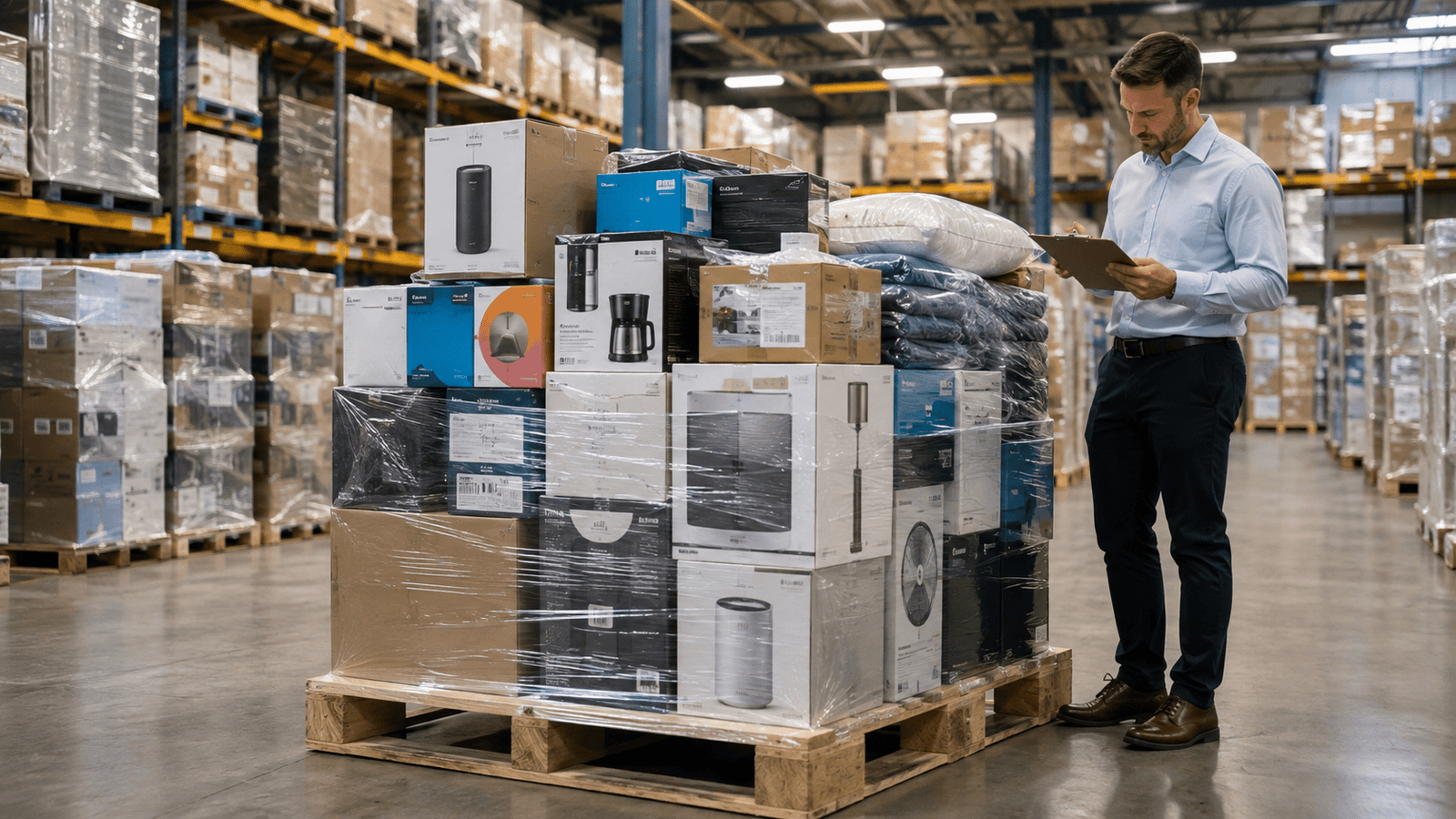
If you want to know how to buy overstock pallets, the basic process is simple: choose a product category, set a budget, find a reputable supplier, review the pallet details, calculate the total cost, place a small first order, and inspect the merchandise when it arrives. However, buying a pallet is not the same as buying a normal wholesale case. The products may vary in value, condition, brand, and demand. Shipping can also have a major effect on your final cost. A pallet that looks cheap at first may not be a good deal after fees and transportation. This guide explains how to buy overstock pallets, where to find them, how to evaluate listings, how to calculate potential profit, and how beginners can reduce unnecessary risk. By understanding how to buy overstock pallets and evaluating each deal carefully, you can make more informed purchasing decisions. What Are Overstock Pallets? An overstock pallet is a pallet of new merchandise that a retailer, manufacturer, distributor, or other business no longer needs in its regular inventory. The products are often unsold items rather than goods that customers have used and returned. However, the exact condition depends on the seller and listing, so you should always read the description carefully. Why Does Overstock Happen? Businesses can end up with excess inventory for many reasons, including: Seasonal products remaining after the season ends Canceled customer or wholesale orders Products being replaced by newer models Changes in packaging or branding Overstock from a slow-selling product Excess inventory from warehouse consolidation Products that are no longer needed at a particular location For example, imagine a retailer orders 1,000 kitchen organizers for a seasonal promotion but sells only 700. The remaining 300 units may become excess inventory. Rather than storing them indefinitely, the retailer may move the products through a liquidation or wholesale channel. Overstock vs. Customer Returns vs. Salvage These terms are important when learning how to buy overstock pallets. Overstock: Usually refers to excess inventory that was not sold through the normal retail channel. Condition can vary, but products may be new and unused. Customer returns: Products previously purchased by customers and later returned. Some may be unused, while others may have been opened, tested, damaged, or used. Salvage: Merchandise that generally has a higher level of damage, defects, missing parts, or other issues. It often requires more inspection or repair. There can also be shelf-pull merchandise. These are products removed from store shelves for reasons such as product changes, seasonal transitions, or inventory decisions. Do not assume every liquidation seller uses these terms in the same way. Always check the seller’s condition description. Common Products Found in Overstock Pallets Depending on the supplier, overstock pallets may contain: Home goods Kitchen products Clothing Shoes and accessories Toys Tools Small appliances Electronics Office supplies Pet products Seasonal merchandise Beauty and personal-care items The product category matters because it affects inspection, storage, shipping, demand, and resale value. Why Buy Overstock Pallets? If you’re learning how to buy overstock pallets, the main attraction is the possibility of purchasing merchandise in bulk for less than typical retail pricing. But a lower purchase price does not automatically mean profit. The real opportunity comes from buying products at a reasonable landed cost and selling them where customers are willing to pay enough to cover your expenses. Understanding how to buy overstock pallets helps you evaluate the complete cost before making a purchase. Lower Cost Than Retail A pallet buyer is purchasing multiple products together rather than buying each item at a retail store. This can create a lower per-unit acquisition cost. When researching how to buy overstock pallets, calculating the cost per unit is an important step. For example, suppose a pallet contains 100 usable products and costs $800 before shipping. The initial product cost is: $800 ÷ 100 = $8 per unit That does not mean every item is worth $8 or that every item will sell for a profit. You still need to account for shipping, fees, damaged units, packaging, and selling prices. Opportunity to Resell Resellers can separate pallet inventory into individual listings. A single pallet might contain 50, 100, or more units, depending on the category and packing method. Instead of selling the entire pallet, a reseller may sell products individually or in small bundles. Knowing how to buy overstock pallets can help you choose inventory that matches your preferred resale method. Variety of Merchandise Some buyers like overstock pallets because they can offer access to many products without purchasing directly from numerous manufacturers. For a small reseller, this can make product sourcing more flexible. However, anyone researching how to buy overstock pallets should still consider product demand, condition, and resale value before buying. Benefits for Small Businesses Overstock inventory may suit: Online sellers Local marketplace sellers Flea-market vendors Small retail stores Pop-up sellers Entrepreneurs testing a new product category However, beginners should avoid assuming that every pallet will produce a strong return. A careful approach to how to buy overstock pallets means evaluating both potential revenue and possible expenses. Potential Profit Margins Profit depends on several variables: Profit = Revenue − Total Costs Your total costs may include: Pallet purchase price Freight or delivery Marketplace fees Payment processing Packaging Storage Cleaning Repairs Returns Unsold inventory The goal is not simply to find the pallet with the highest advertised retail value. The goal is to find inventory with realistic resale demand at a cost that leaves room for expenses. How to Buy Overstock Pallets Step by Step If you are completely new to liquidation, follow a simple process instead of rushing into a large purchase. Step 1: Decide What Products You Want Start with categories you understand. For example, if you know a lot about home organization products, you may be better prepared to evaluate a home-goods pallet than a pallet of unfamiliar electronics. Consider: Your product knowledge Local demand Online demand Storage space Product size Shipping difficulty Inspection requirements Choosing one or two categories can make

a crate deal liquidation outlet

A Crate Deal Liquidation Outlet: 7 Things to Know Before Buying

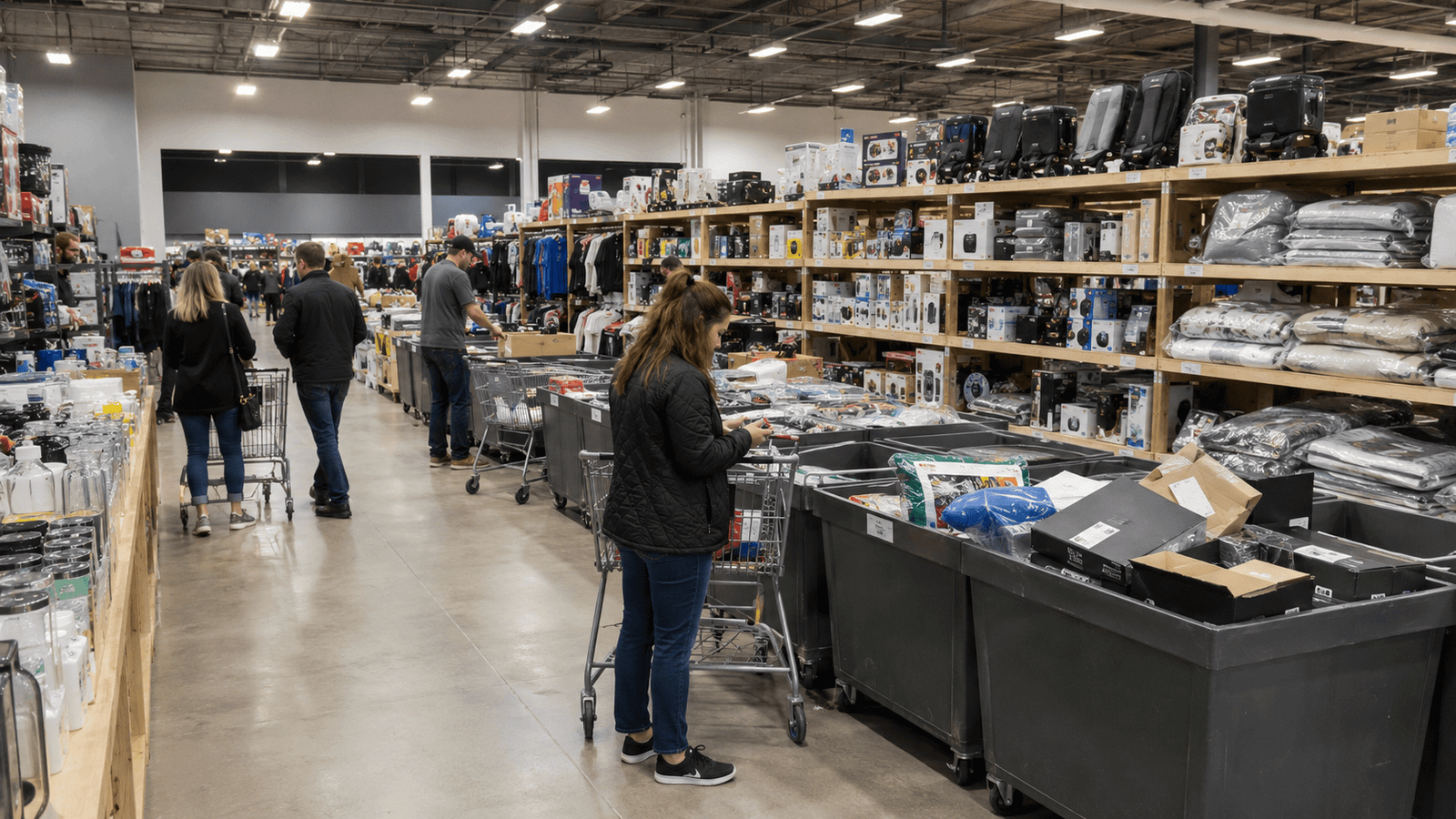
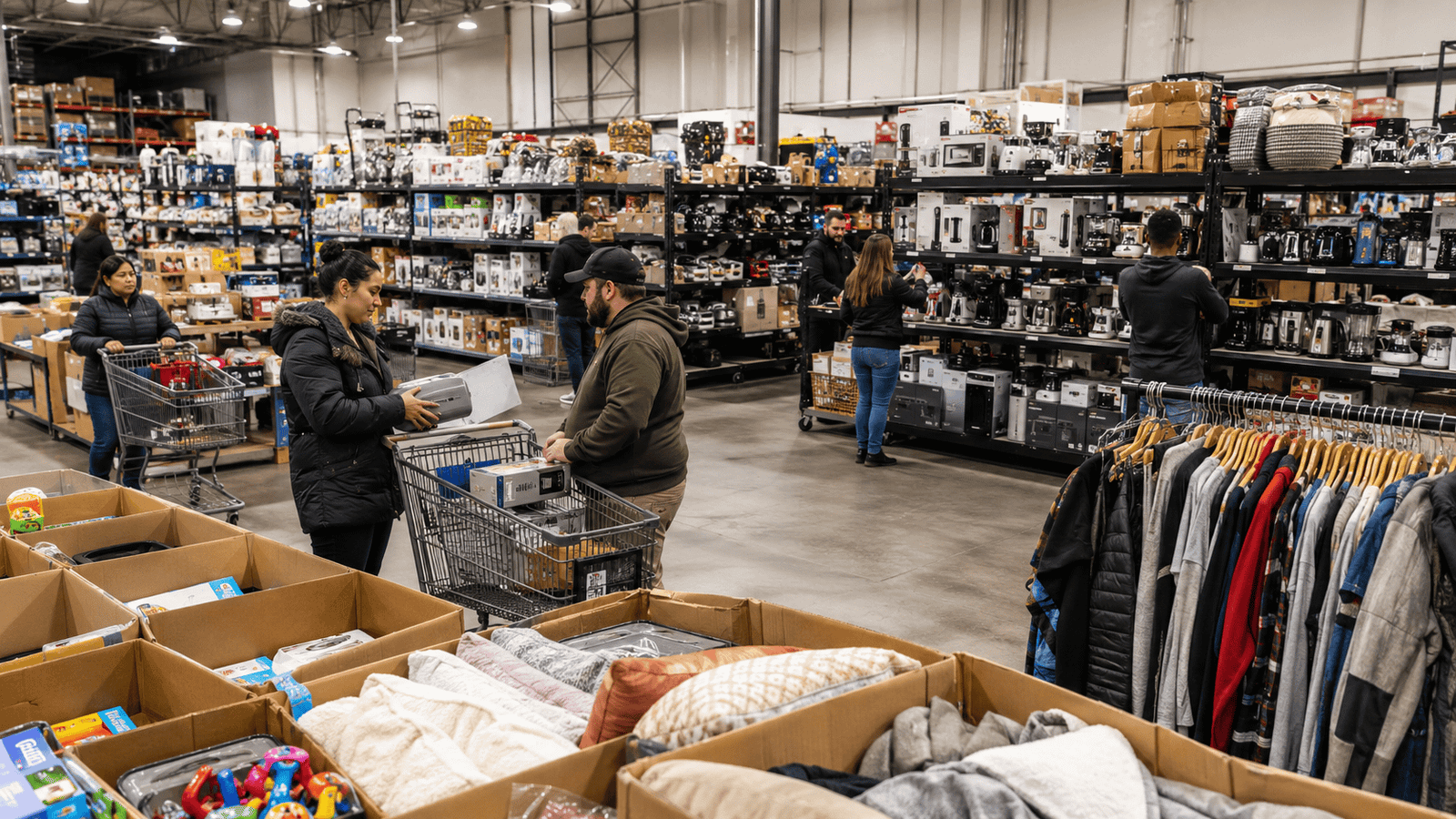
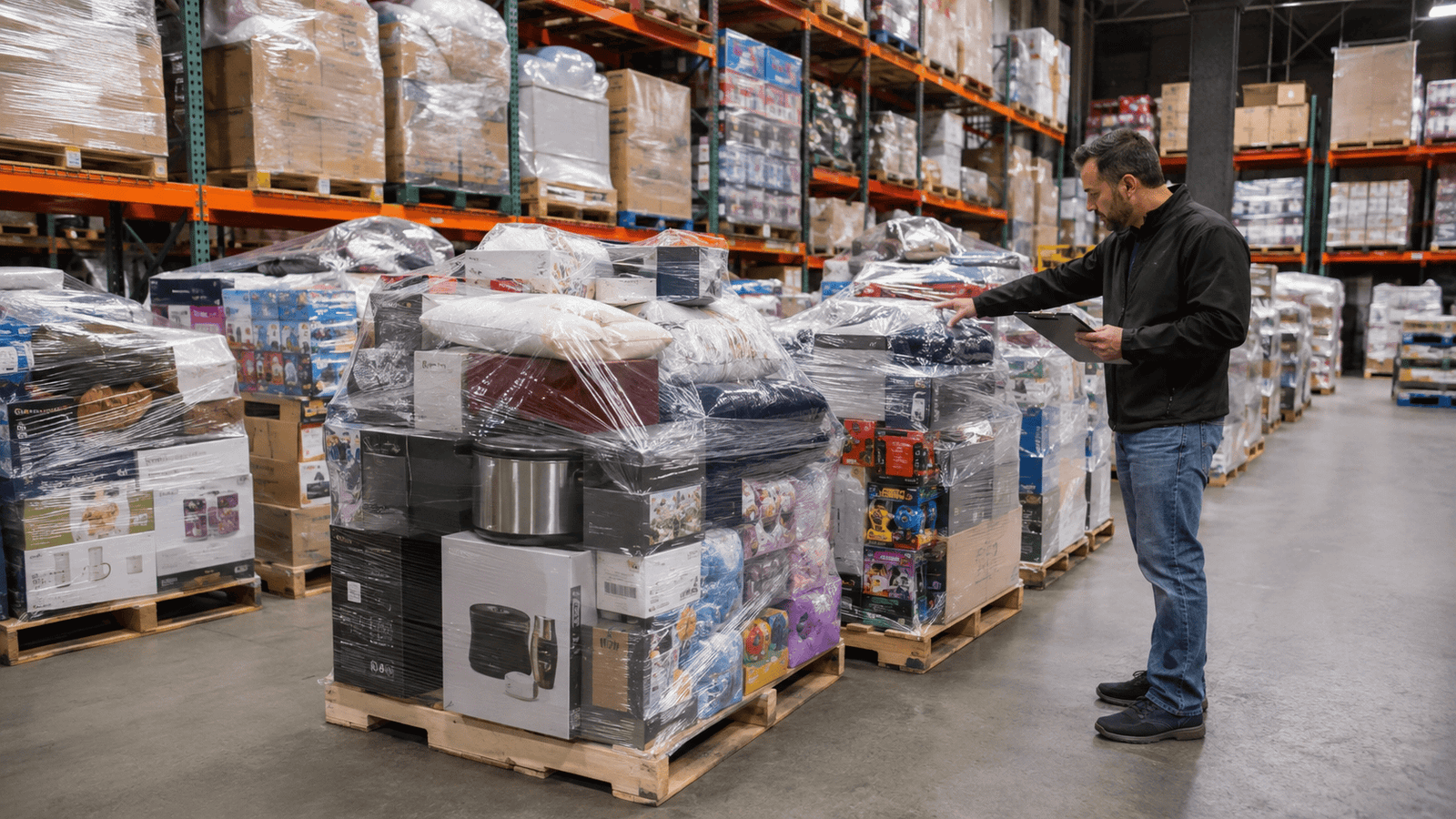
If you enjoy bargain hunting, a liquidation outlet can be an interesting place to shop. A Crate Deal liquidation outlet is a bin-style discount store in Tea, South Dakota, where shoppers can look through crates of liquidation merchandise and buy items at a set price for the day. The store says it purchases liquidated merchandise by the truckload and places products in crates for shoppers to discover. Unlike a traditional retail store, you may not know exactly what you will find before you visit. One trip could include home goods, electronics, toys, tools, clothing, or other general merchandise. The selection can change as inventory moves through the store. This makes liquidation shopping different from normal retail shopping. You may find a useful product at a low price, but you also need to check its condition, completeness, and value before paying. In this guide, you will learn how A Crate Deal liquidation outlet works, what types of products you may find, how its pricing model works, what product conditions to watch for, and how to decide whether a deal is actually worth buying. What Is an A Crate Deal Liquidation Outlet? A liquidation outlet sells merchandise that has entered the secondary retail market rather than being sold through a standard retail shelf at its original price. A Crate Deal liquidation outlet is a specific liquidation outlet located at 46923 Austin St., Tea, South Dakota. Its official website describes the business as a discount store with an entertainment-style shopping experience, where merchandise is placed in crates for customers to search through. What is a liquidation outlet? A liquidation outlet is a store that sells goods obtained through liquidation channels. These goods can include excess inventory, customer returns, overstock, shelf pulls, and other merchandise that a retailer or distributor no longer wants to keep in its normal sales system. The exact source and condition of products can vary from one liquidation business to another. At A Crate Deal liquidation outlet, the store states that it buys liquidated merchandise by the truckload. The merchandise is then placed into crates, allowing shoppers to search for individual products. How liquidation merchandise works A retailer may have more inventory than it needs. It may also receive products that customers have returned. Instead of keeping every item in regular inventory, some merchandise can move through liquidation channels. A liquidator may purchase these goods in large quantities. A liquidation outlet then sells them to consumers at lower prices. The result is a shopping model based on discovery. You are not simply walking into a store and selecting from a fixed shelf of identical products. Liquidation stores vs. regular retail stores A regular retail store usually has organized inventory, consistent product lines, and standard pricing. A Crate Deal liquidation outlet is different. Regular Retail Liquidation Outlet More predictable inventory Inventory changes often Products usually have standard retail packaging Packaging and condition can vary Prices are usually based on individual products Some outlets use flat daily pricing Larger quantities may be available Quantities may be limited Shopping is more predictable Shopping can involve more searching Neither model is automatically better. It depends on what you are trying to buy. Who shops at liquidation outlets? Several types of shoppers may be interested in liquidation stores: Bargain shoppers Families looking for low-cost household items Hobbyists DIY shoppers Gift shoppers Small business owners Online resellers People who enjoy treasure-hunt-style shopping For a reseller, the attraction is obvious: a low purchase price can create an opportunity for a profit. However, a low price does not guarantee that an item will sell. How A Crate Deal Liquidation Outlets Work The basic idea is simple: liquidation merchandise is acquired in large quantities, placed into the store’s shopping system, and sold at prices that can change during the sales cycle. When visiting an A Crate Deal liquidation outlet, shoppers can expect the merchandise selection to vary based on new inventory arrivals and previous customer purchases. Where does liquidation inventory come from? Liquidation inventory can come from different sources. Common examples include: Customer returns Overstock Excess inventory Shelf pulls Seasonal merchandise Products being cleared from a retailer’s inventory Other secondary-market inventory The exact source of a particular item is not always obvious from looking at it. That is why shoppers should judge each product individually rather than assuming that every item is new. Customer returns and overstock Customer returns can enter liquidation channels when a retailer decides that returning an item to normal inventory is not practical. For example, a customer may return a product because they changed their mind. Another product may have opened packaging or signs of previous handling. Overstock is different. An overstock item may simply be merchandise that a retailer has more of than it needs. These two categories can look very different when you inspect them. Shelf pulls and excess inventory Shelf pulls are products removed from normal retail shelves. They may be unused, but packaging can sometimes show signs of handling. Excess inventory can also move into liquidation when a seller wants to make room for newer products. This is one reason liquidation shopping can include a wide mixture of conditions. How products are sorted and priced A Crate Deal liquidation outlet uses a crate-based shopping model. Its website says it has 25 crates and that merchandise varies from crate to crate. The store also uses a changing flat-price system rather than assigning a separate price to every item in the crates. According to its official site, the advertised weekly cycle begins with freshly stocked merchandise at a higher per-item price and decreases as the week progresses. Because prices and schedules can change, shoppers should check the store’s current information before making a trip. How inventory changes over time Liquidation inventory is not permanent. New merchandise arrives, shoppers purchase items, and unsold products may move through the pricing cycle. A Crate Deal liquidation outlet says it clears and prepares its crates for a fresh truckload during its closed days. This means one

what are liquidation stores

What Are Liquidation Stores? 7 Things Buyers Should Know

If you have ever seen a store selling brand-name products at unusually low prices, you may have wondered, what are liquidation stores and why are their prices so low? So, what are liquidation stores exactly? Liquidation stores sell merchandise that retailers, manufacturers, distributors, or other businesses need to move quickly. This inventory can come from customer returns, overstock, closeout merchandise, discontinued products, shelf-pulls, store closures, or business liquidations. Unlike a traditional retail store, a liquidation store may not have the same products every week. One visit might bring clothing and shoes, while the next could have small appliances, tools, toys, electronics, or home goods. Understanding what are liquidation stores can help shoppers know what to expect before making a purchase. The changing inventory is one of the main attractions of liquidation shopping. You may find useful products at prices far below normal retail prices, but you also need to understand the condition of the merchandise before buying. In this guide, we explain what are liquidation stores, how they work, what they sell, why their prices are low, whether they are legitimate, what liquidation pallets are, and how to reduce the risks when shopping. You will also learn how liquidation stores can be useful for people who want to resell merchandise. What Are Liquidation Stores? A liquidation store is a retail outlet or business that sells merchandise acquired through liquidation channels. The products are often sold below their original retail price because the seller wants to move inventory rather than keep it in regular retail stock. For example, imagine a retailer ordered 10,000 winter jackets but sold only 7,000 during the season. The remaining 3,000 jackets are excess inventory. Instead of storing them until the next winter, the retailer may sell the extra merchandise through a liquidation company. The liquidation company can then sell those jackets to another business, such as a liquidation warehouse, discount store, online seller, or reseller. How Are Liquidation Stores Different From Regular Retail Stores? Traditional retail stores usually purchase products through planned supply chains and sell them at prices designed to cover costs and generate a profit. Liquidation stores often operate differently. Their inventory can come from many sources, and the quantity and product selection can change frequently. Some products may be brand new, while others may be customer returns or products with damaged packaging. A regular retail store might stock the same popular product for months. A liquidation store may sell an item once and never receive it again. This means liquidation shopping is less predictable. You may need to inspect products carefully and make decisions based on what is available that day. Why Are Liquidation Products Cheaper? The original owner may no longer need the inventory at its original retail value. A retailer might have too much stock. A manufacturer might discontinue a product. A store might close. An online customer might return an item. Rather than keeping the merchandise in storage, the business can sell it in bulk or through a liquidation channel. The next buyer can purchase the merchandise for less and potentially pass some of those savings to customers. However, a low price does not automatically mean a great deal. Product condition, missing parts, shipping costs, warranties, and return policies can all affect the real value. How Do Liquidation Stores Work? Liquidation stores depend on a supply of unwanted, excess, returned, or discontinued merchandise. The process can vary by seller, but it generally involves several steps. A retailer or other business identifies inventory that it no longer wants to keep. That inventory may be sold to a liquidation company, wholesaler, auction marketplace, warehouse, or another buyer. The merchandise is then sorted, graded, packaged, or sold in bulk. Some liquidation businesses sell individual products to consumers. Others sell cases, lots, or pallets to resellers. Here are some of the most common sources of liquidation inventory. Retail Returns Customer returns are a major source of liquidation merchandise. A product can be returned for many reasons. The customer may have changed their mind, ordered the wrong size, received the wrong item, or decided that the product was not suitable. Some returned products are still in excellent condition. Others may have been opened or used. For this reason, return merchandise can have different condition grades. Always ask how a seller defines its condition categories before purchasing. Overstock and Excess Inventory Overstock occurs when a business has more products than it needs. This can happen because of inaccurate sales forecasts, seasonal demand, canceled orders, or changes in customer preferences. For example, a retailer may have thousands of phone cases for a smartphone model that is no longer popular. The retailer may choose to sell the remaining inventory to a liquidation buyer instead of keeping it in storage. Closeout Merchandise Closeout merchandise is inventory that a retailer wants to clear from its shelves. A store may be changing its product selection or making room for newer models. Closeout products can sometimes be new and unused, but shoppers should still check the seller’s description and return policy. Shelf-Pulls and Discontinued Products Shelf-pulls are products removed from store shelves. They may be new, but packaging can sometimes show signs of handling. Products can also be discontinued because a retailer or manufacturer no longer wants to carry them. Discontinued products can be attractive to shoppers looking for items that are difficult to find in normal retail stores. Store Closures and Business Liquidations When a business closes, it may need to sell its remaining inventory. This can include furniture, equipment, clothing, electronics, tools, office supplies, and other merchandise. Business liquidation can happen through direct sales, liquidation companies, or auctions. What Do Liquidation Stores Sell? There is no single product category that defines a liquidation store. Inventory depends on where the merchandise came from and what the seller currently has available. Common categories include: Clothing and Shoes Liquidation stores may sell shirts, pants, jackets, dresses, shoes, bags, accessories, and other apparel. Some items may be new with tags. Others may be

where can you buy pallets

Where Can You Buy Pallets? 9 Best Places to Shop

If you need pallets for shipping, storage, DIY projects, furniture, or resale, you have several places to look. The best source depends on the pallet type, size, condition, quantity, and your budget. So, where can you buy pallets? You can buy them from local pallet suppliers, pallet manufacturers, warehouses, distribution centers, retail stores, construction companies, online marketplaces, liquidation businesses, and pallet recycling centers. Knowing where can you buy pallets can help you compare different sources and find the best option for your needs. Some businesses sell new pallets, while others offer used or refurbished pallets. In some cases, businesses may even have unwanted pallets available at little or no cost, but you should always ask for permission before taking them. This guide explains where can you buy pallets, what they may cost, how to check their condition, and how to choose the right option for your needs. Where Can You Buy Pallets? There is no single best place to buy pallets. Different sources work better for different situations. Here are some of the most common options: Local pallet suppliers for regular purchases and different pallet grades Pallet manufacturers for new and custom-sized pallets Warehouses and distribution centers for surplus used pallets Retail stores and supermarkets for occasional used pallets Construction and industrial businesses for heavy-duty pallets Online marketplaces for local listings and convenient comparisons Liquidation and surplus stores for merchandise pallets Pallet recycling centers for used and refurbished pallets If you need a large number of pallets, start with a pallet supplier or manufacturer. If you only need a few for a home project, checking local businesses and marketplace listings may be more practical. Local Pallet Suppliers Local pallet suppliers are one of the easiest places to start if you need several pallets. These businesses specialize in buying, selling, repairing, sorting, and sometimes manufacturing wooden pallets. Many suppliers carry different sizes and grades. What Do Local Pallet Suppliers Offer? A pallet supplier may offer: New wooden pallets Used pallets Repaired pallets Standard-size pallets Heavy-duty pallets Heat-treated pallets Custom pallets Pallet pickup and delivery Availability varies from one supplier to another. Some focus on standard shipping pallets, while others work with businesses that need special sizes. New vs. Used Pallets New pallets have not been used for shipping before. They are often a good choice when strength, appearance, or consistent dimensions matter. Used pallets have already been used. They may show normal wear, but many are still suitable for shipping, storage, or other practical uses. A used pallet can be a good value when appearance is not important and the pallet remains structurally sound. Advantages of Buying Locally Buying from a local supplier can make the process easier because you may be able to inspect the pallets before purchasing. Other advantages include: Lower transportation distance Easier communication Potential bulk pricing Faster pickup Ability to inspect the pallets Access to different grades and sizes If you need pallets regularly, building a relationship with a reliable local supplier can also make future orders easier. Questions to Ask Before Purchasing Before placing an order, ask: Are the pallets new, used, or repaired? What are the exact dimensions? What is the weight capacity? Are any boards broken? Are the pallets heat-treated if needed? How many pallets are currently available? Is delivery available? Is there a bulk discount? Are there minimum order requirements? Can I inspect a sample before buying? These questions can help prevent surprises after you pay. Pallet Manufacturers If you need new pallets in large quantities, buying directly from a pallet manufacturer can make sense. If you are researching where can you buy pallets, manufacturers are one of the best options for businesses that need new pallets regularly. Manufacturers produce pallets for shipping, storage, warehouses, factories, and other commercial applications. Buying Directly From Manufacturers A manufacturer may offer more consistent quality and dimensions than a random used-pallet seller. This can be especially useful if your business uses pallets every day and needs the same specifications for every shipment. It is also a practical choice when deciding where can you buy pallets for ongoing commercial use. Manufacturers may also offer different wood types, designs, deck configurations, and load capacities. Custom Pallet Sizes Not every product fits a standard pallet. For example, a company shipping long or unusually shaped products may need a custom pallet. Manufacturers can sometimes produce pallets based on specific dimensions and requirements. This makes them a useful answer to where can you buy pallets when standard sizes do not meet your needs. Before ordering custom pallets, provide accurate measurements. Consider: Product length Product width Product height Product weight Forklift or pallet-jack requirements How the product will be secured Shipping conditions New Pallet Pricing New pallets usually cost more than used pallets because they require new materials and manufacturing. However, price depends on the design and specifications. A simple standard pallet may cost less than a custom heavy-duty pallet. When comparing where can you buy pallets and their prices, do not compare quotes based only on the number printed on the quote. Check whether delivery, taxes, treatment, or other services are included. When Does This Option Make Sense? Buying directly from a manufacturer is often worth considering when: You need many pallets You need consistent dimensions You need new pallets You require a custom design You need pallets regularly Your shipping process depends on specific pallet specifications For someone who needs two pallets for a home project, a manufacturer may be more than you need. In that situation, looking at local options may be a better way to determine where can you buy pallets at a reasonable cost. Warehouses and Distribution Centers Warehouses and distribution centers receive and move large quantities of products. As a result, they may handle many pallets. Some facilities reuse pallets internally. Others may have pallets that they no longer need. If you are still wondering where can you buy pallets, local warehouses and distribution centers may be worth contacting. Why Warehouses May Have Surplus Pallets A

where can i buy pallets

Where Can I Buy Pallets? 7 Best Places for Resellers

If you need pallets for shipping, storage, moving, DIY projects, or reselling merchandise, you may be wondering Where Can I Buy Pallets at the best price. The right option depends on the type, size, condition, quantity, and budget you have. There are several places Where Can I Buy Pallets, including local pallet suppliers, pallet manufacturers, warehouses, distribution centers, liquidation companies, recycling businesses, retail stores, and online marketplaces. Some businesses may also give away unwanted pallets, although availability varies by location. Before deciding where can I buy pallets, it is important to know what kind of pallet you need. A standard wood pallet for moving boxes is different from a heavy-duty pallet designed for industrial use. Likewise, a liquidation pallet filled with merchandise is very different from an empty shipping pallet. This guide explains Where Can I Buy Pallets, how much they may cost, how to choose between new and used pallets, and what to check before you pay. By understanding your options, you can find the right pallets for your needs while avoiding unnecessary costs and poor-quality products. Where Can I Buy Pallets? There is no single best place to buy pallets. Your ideal source depends on what you plan to do with them. Here are some of the most common options: Local pallet suppliers Pallet manufacturers Warehouses and distribution centers Liquidation stores and companies Online marketplaces Retail stores and other businesses Pallet recycling companies Local classified websites Let’s look at each option. 1. Local Pallet Suppliers A local pallet supplier is often one of the easiest places to start. These businesses specialize in buying, selling, repairing, and sometimes recycling pallets. They may carry: New wooden pallets Used wooden pallets Repaired pallets Heat-treated pallets Heavy-duty pallets Custom-size pallets Plastic pallets Buying locally can make sense when you need many pallets because you may be able to arrange pickup or negotiate delivery. 2. Pallet Manufacturers Pallet manufacturers build pallets from wood or other materials. They are a useful choice when you need new pallets or a specific design. For example, a manufacturer may be able to produce pallets with a particular length, width, deck-board arrangement, or load requirement. This option is especially useful for businesses that need a consistent pallet design. 3. Warehouses and Distribution Centers Warehouses receive and ship products on pallets every day. Some may have pallets that they no longer need. However, never assume that a pallet sitting outside a business is available for taking. Ask the property owner or manager first. 4. Liquidation Stores and Companies If you are asking where can I buy pallets of merchandise, liquidation companies are a different type of source. Liquidation pallets may contain customer returns, excess inventory, overstock, discontinued products, or other merchandise. The contents can vary greatly, so buyers should research the seller and understand what is included before purchasing. 5. Online Marketplaces Online marketplaces can connect buyers with pallet suppliers, businesses, and individual sellers. You may find listings for: Used pallets New pallets Plastic pallets Heavy-duty pallets Bulk pallet lots Local pickup pallets Always check the seller’s reputation, photos, description, quantity, condition, and delivery terms. 6. Retail Stores and Other Businesses Some local businesses receive products on pallets and may have unwanted pallets after unloading. Potential sources include: Grocery stores Furniture stores Hardware stores Appliance stores Manufacturing companies Building supply businesses Distribution businesses Availability depends on the business, so ask before taking anything. 7. Pallet Recycling Companies Pallet recyclers collect used pallets, inspect them, repair usable ones, and recycle damaged wood. They may sell used pallets at different grades or conditions. This can be a practical option when you want functional pallets without paying for brand-new ones. 8. Local Classified Websites Local classified platforms can be useful for finding pallets close to you. Search terms such as: “wood pallets for sale” “used pallets” “shipping pallets” “pallets near me” “pallet supplier near me” can help you find nearby listings. Always verify the seller and inspect the pallets when possible. Buy Pallets From Local Pallet Suppliers Local pallet suppliers are one of the most reliable starting points for businesses and individuals who need empty pallets. A supplier may sell pallets by the individual unit, by the stack, or in larger quantities. What Do Pallet Suppliers Sell? The exact selection varies, but common products include: Standard wooden pallets Used pallets New pallets Reconditioned pallets Heavy-duty pallets Export pallets Plastic pallets Custom pallets Some suppliers also repair damaged pallets. New vs. Used Pallets New pallets have not been previously used for shipping. They are generally a good choice when appearance, cleanliness, or consistent condition matters. Used pallets have been used before. They can cost less, but their condition may vary. A good used pallet should still be inspected before use. Common Pallet Sizes Pallet sizes vary by country and industry. The 48 × 40-inch pallet is a common size in the United States. However, you should not assume every supplier carries that exact size. Other sizes are also used for different products and industries. Before buying, measure your storage area, equipment, and products. Advantages of Buying Locally Buying from a nearby supplier can offer several benefits: Easier inspection Lower transportation distance Faster pickup Easier communication Potential bulk pricing Less uncertainty about the actual condition If you need only a few pallets, local pickup can also be more convenient than ordering from a distant supplier. Questions to Ask Before Purchasing Before placing an order, ask: What size are the pallets? Are they new or used? What condition are they in? How much weight can they safely support? How many pallets are available? Are they heat-treated if needed? Can I inspect a sample? Is delivery available? What is the total price including delivery? Getting clear answers can prevent problems later. Buy Pallets From Liquidation Companies Liquidation pallets are often searched for by people who want to purchase merchandise in bulk. These are not simply empty shipping pallets. Instead, they may contain a collection of products sold as one lot. What Are Liquidation Pallets? A

where to buy pallets of merchandise

6 Best Places Where to Buy Pallets of Merchandise

Buying merchandise pallets has become a popular way for retailers, online sellers, and small businesses to source products at lower prices. Instead of purchasing individual items from traditional wholesalers, many entrepreneurs buy entire pallets filled with customer returns, overstock products, excess inventory, or liquidation stock. These pallets can include electronics, clothing, home goods, tools, toys, and many other product categories. For resellers, the appeal is simple: buy inventory in bulk, sort the products, and sell individual items for a potential profit. However, success depends on knowing where to buy pallets of merchandise and understanding what you are actually purchasing. Not every pallet is the same. Some contain valuable products ready for resale, while others may include damaged, incomplete, or difficult-to-sell items. In this guide, you will learn where to buy pallets of merchandise, the different types available, how much they cost, what to check before purchasing, and how to avoid common mistakes. Whether you are starting a small resale business or expanding your inventory, knowing where to buy pallets of merchandise can help you make smarter buying decisions and choose inventory that fits your budget and business goals. What Are Merchandise Pallets? Merchandise pallets are large shipping platforms loaded with products sold together as a single unit. These pallets usually contain inventory that businesses need to move quickly because it is no longer part of their regular sales process. Large retailers, manufacturers, and distributors often have excess stock for many reasons. Products may be returned by customers, replaced by newer models, removed from store shelves, or left over after seasonal sales. Instead of storing these products indefinitely, companies sell them through liquidation channels. Buyers can then purchase these pallets at discounted prices and resell the items through online marketplaces, local stores, flea markets, or social media platforms. Common Types of Merchandise Pallets Merchandise pallets can contain many different product categories, including: Electronics such as headphones, smart devices, computers, and accessories Clothing and footwear Home appliances and household items Furniture and home décor products Tools and hardware Toys and games Beauty products Seasonal items Mixed general merchandise The type of pallet you choose should match your experience, customer base, and selling platform. For example, someone selling on online marketplaces may prefer small electronics because they are easy to ship. A local reseller may prefer furniture or home goods because customers can pick them up directly. Why Do Companies Sell Merchandise Pallets? Businesses sell pallet inventory for several reasons. Customer Returns Many online and retail purchases are returned for reasons unrelated to product quality. Customers may return items because they changed their mind, ordered the wrong size, or no longer need the product. Returned items often cannot be sold as brand-new inventory, so retailers move them through liquidation channels. Overstock Inventory Retailers frequently purchase more products than they can sell. Seasonal items, discontinued products, or slow-moving inventory can take valuable warehouse space. Selling these products through liquidation helps companies recover some value while clearing storage areas. Store Closures and Inventory Changes When businesses close locations or change product lines, they often need to sell remaining inventory quickly. Liquidation pallets provide a practical way to move large amounts of stock at once. Difference Between Liquidation, Overstock, and Customer Return Pallets Understanding pallet conditions is important before buying. Liquidation Pallets Liquidation pallets usually contain products that companies want to sell quickly. These pallets may include customer returns, excess inventory, damaged packaging, or discontinued products. The condition can vary greatly. Overstock Pallets Overstock pallets contain products that were never sold. These items are often unused and may still have original packaging. Because the products are usually in better condition, overstock pallets may cost more than customer-return pallets. Customer Return Pallets Customer-return pallets contain items that buyers have sent back. Some products may be unused, while others may have missing parts, cosmetic damage, or functional issues. These pallets often require more inspection and sorting. Where to Buy Pallets of Merchandise If you are searching for where to buy pallets of merchandise, there are several reliable sources available. Each option has different benefits, costs, and risks. The best choice depends on your budget, location, product category, and resale experience. A. Online Liquidation Marketplaces Online liquidation marketplaces are one of the most common places to purchase merchandise pallets. These platforms connect retailers, manufacturers, and liquidation companies with buyers looking for discounted inventory. Buyers can browse available pallets, review product details, check manifests, and place orders online. How Online Liquidation Marketplaces Work The process is usually simple: Create a buyer account Browse available pallets Review product descriptions Check estimated value and condition Purchase or bid on inventory Arrange shipping or pickup Many platforms organize pallets by category, such as electronics, clothing, tools, or mixed merchandise. Advantages of Online Liquidation Marketplaces Online marketplaces offer several benefits: Wide Product Selection You can access inventory from many sellers without visiting multiple warehouses. Convenient Buying Process Everything can be researched and purchased online. Access to Large Retail Sources Some platforms receive inventory from major retailers and manufacturers. Easier Market Comparison Buyers can compare prices, categories, and pallet conditions before purchasing. Disadvantages of Online Liquidation Marketplaces However, there are also challenges. Limited Physical Inspection You usually cannot inspect every item before buying. Shipping Costs Large pallets can become expensive to transport, especially across long distances. Product Condition Risk Photos and descriptions may not reveal every issue. What to Check Before Buying Online Before purchasing, review: Seller ratings Product condition details Available photos Manifest information Shipping costs Buyer reviews Return policies A cheap pallet may not be a good deal if transportation costs are high or many items cannot be resold. B. Retailer Liquidation Auctions Retailer liquidation auctions allow buyers to bid on inventory directly through auction-style platforms. Large retailers often use auctions to sell returned goods, excess inventory, and discontinued products. How Retailer Auctions Work Sellers create listings with information about the pallet or truckload. Buyers then compete by placing bids. The highest bidder purchases the inventory when the auction closes. Some auctions

Free Worldwide shipping

On all orders above £500

Easy 30 days returns

30 days money back guarantee

International Warranty

Offered in the country of usage

100% Secure Checkout

PayPal / Apple Pay / Chime