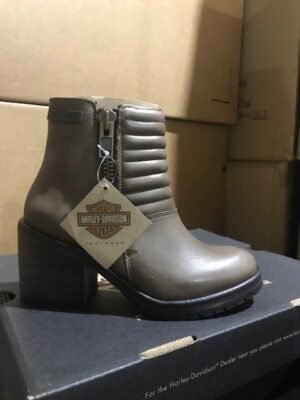
Buy Target Shoes Pallet Online
Buying footwear in bulk can be a smart way for retailers, resellers, discount stores, and online sellers to expand their inventory while keeping purchasing costs under control. Instead of buying individual pairs at regular retail prices, many businesses look for liquidation pallets that contain multiple products in one lot.
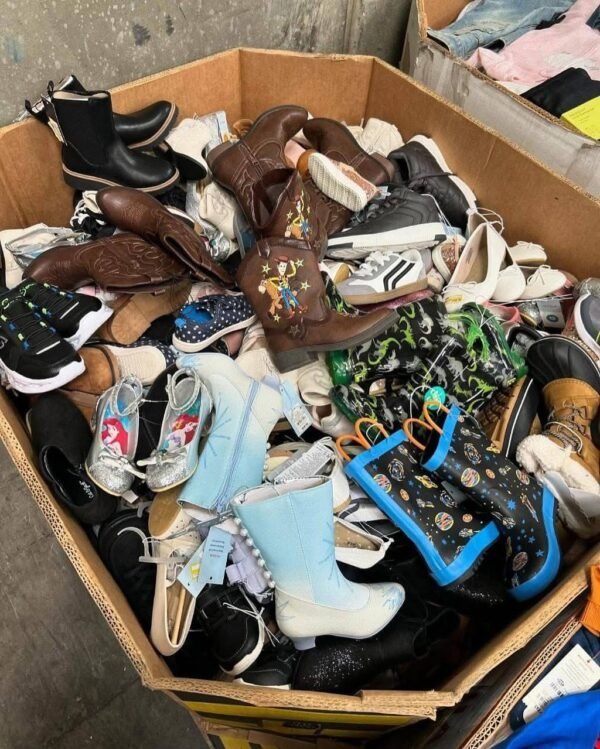
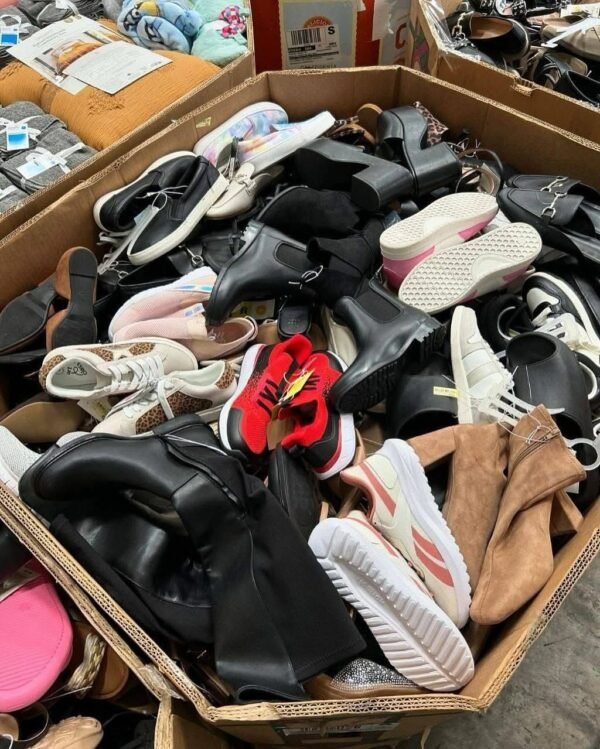
A Target Shoes Pallet can be an option for buyers who want to source shoes in bulk from liquidation inventory. These pallets may contain different styles, sizes, brands, and types of footwear depending on the available inventory and liquidation source. Since pallet contents can vary, buyers should review the listing details carefully before making a purchase.
Whether you operate a small retail shop, sell products online, or run a discount store, understanding how liquidation footwear works can help you make better buying decisions. The right Target Shoes Pallet may provide a mix of footwear that can be sorted, priced, and resold through different sales channels.
Product Specifications – Target Shoes Pallet
The exact specifications of a Target Shoes Pallet can vary from one liquidation lot to another. Unlike traditional wholesale products, liquidation pallets are often made up of available inventory, so the exact assortment may not be identical in every pallet.
Some important specifications buyers should check include:
- Product category: Men’s, women’s, children’s, or mixed footwear
- Quantity: The number of pairs or units included in the pallet
- Sizes: A range of different shoe sizes may be included
- Styles: Sneakers, casual shoes, boots, sandals, slippers, and other footwear
- Condition: Inventory may include new, overstock, shelf-pull, open-box, or customer-return items
- Brands: Brand selection can vary based on available stock
- Packaging: Shoes may come in original boxes, damaged boxes, or without individual packaging
- Shipping: Shipping costs and delivery terms depend on the seller and pallet location
Before purchasing a Target Shoes Pallet, check whether the listing provides an item manifest. A manifest can help you understand what products may be included and estimate potential resale value.
It is also important to understand the condition of the merchandise. A pallet containing mostly new or overstock footwear may require less preparation than one containing customer returns. Always read the condition description and seller terms before placing an order.
Benefits of Target Shoes Pallet
One of the main advantages of buying a Target Shoes Pallet is the opportunity to purchase footwear in bulk. Instead of sourcing each pair separately, buyers can acquire multiple products in a single transaction.
1. Bulk Inventory
A pallet can provide a large amount of inventory at once. This can be useful for retailers who need to keep their shelves stocked or online sellers who want to add several products to their stores.
2. Potential Cost Savings
Liquidation merchandise is generally sold through a different pricing structure than regular retail inventory. Depending on the condition, assortment, and seller, buyers may have an opportunity to acquire footwear at lower per-unit costs.
However, a low pallet price does not automatically guarantee profit. Buyers should calculate the total cost, including shipping, storage, cleaning, repairs, marketplace fees, and other expenses.
3. Product Variety
A Target Shoes Pallet may contain a variety of footwear styles and sizes. This variety can give sellers more products to offer to different customers.
For example, one pallet might include casual footwear, athletic shoes, sandals, boots, or children’s shoes. The actual assortment depends on the specific liquidation lot.
4. Resale Opportunities
Footwear can be sold through several channels. Depending on the seller’s business model, products may be offered through an online store, local retail shop, flea market, social media marketplace, or discount outlet.
Sellers can sort the inventory and create different pricing strategies based on product condition, brand, style, and demand.
5. Suitable for Different Businesses
A Target Shoes Pallet can potentially work for different types of businesses. Small retailers may use the products for store inventory, while online sellers can list individual pairs separately.
Discount stores and liquidation retailers may also find bulk footwear useful because they can offer customers lower-priced merchandise.
What can be included in a Target Shoes Pallet?
The contents of a Target Shoes Pallet depend on the particular liquidation lot. There is no guarantee that every pallet will contain the same brands, styles, sizes, or quantities.
Possible footwear categories may include:
- Athletic shoes
- Casual shoes
- Sneakers
- Sandals
- Boots
- Slippers
- Children’s footwear
- Women’s footwear
- Men’s footwear
- Seasonal shoes
The condition can also differ between individual pairs. Some products may be new and ready for resale, while others may have damaged packaging or signs of previous handling.
For customer-return merchandise, sellers should inspect each pair before listing it for sale. Check the soles, stitching, laces, fasteners, packaging, and overall appearance. Any noticeable issues should be considered when setting the resale price.
A Target Shoes Pallet may also include different sizes. A mixed-size pallet can be useful because it allows a seller to serve customers with different footwear needs. However, buyers should check the available size breakdown whenever this information is provided.
Another factor to consider is seasonality. Sandals and lightweight footwear may be more popular during warmer months, while boots and other closed footwear can see higher demand during colder seasons. Understanding your local customers can help you decide which inventory makes sense for your business.
How to Evaluate a Target Shoes Pallet Before Buying
Buying liquidation inventory requires more research than purchasing standard wholesale products. Before ordering a Target Shoes Pallet, consider several important factors.
Check the Product Condition
Condition is one of the most important factors. Look for clear descriptions such as new, overstock, shelf pulls, open box, customer returns, or refurbished when applicable.
If the seller provides photographs, review them carefully. Images may help you understand packaging quality and the general appearance of the inventory.
Review the Manifest
If a manifest is available, examine the listed products, quantities, sizes, and estimated retail values. A detailed manifest can make it easier to calculate whether the pallet fits your business.
However, remember that a manifest and actual inventory may sometimes differ depending on the liquidation source and fulfillment process.
Calculate Your Total Cost
Do not focus only on the advertised pallet price. Your real investment can include:
- Pallet purchase price
- Shipping
- Taxes or other applicable charges
- Storage
- Cleaning
- Minor repairs
- Packaging
- Marketplace fees
- Advertising expenses
For example, if a pallet costs $800 and shipping costs $200, your initial inventory cost is already $1,000. You can then divide the total cost by the number of sellable pairs to estimate your average cost per pair.
Research Resale Prices
Before buying a Target Shoes Pallet, research how similar footwear sells in your target market. Look at actual selling prices rather than relying only on original retail prices.
A product with a high original retail price may not necessarily have strong resale demand. Brand popularity, style, condition, size, season, and current trends can all affect resale value.
Understand the Seller’s Terms
Read the seller’s terms before purchasing. Pay attention to return policies, shipping arrangements, condition descriptions, payment requirements, and any information about manifests.
Understanding these details can reduce surprises after the order is placed.
Who can benefit from buying a Target Shoes Pallet?
A Target Shoes Pallet may be useful for several types of buyers who have an established way to sell or distribute footwear.
Retail Stores
Small and independent retailers can use liquidation footwear to add affordable products to their stores. Sellers can organize shoes by size, style, brand, or price.
Online Sellers
Online sellers can purchase bulk footwear and list individual pairs through suitable ecommerce platforms. Good product photography and accurate descriptions can help customers understand what they are buying.
Discount Stores
Discount stores often focus on affordable merchandise. Bulk liquidation footwear can provide additional products that fit this type of retail model.
Flea Market Vendors
Local vendors can sort pallet inventory and sell individual pairs directly to customers. This model may work particularly well when the seller has access to a busy market or community event.
Resellers
Experienced resellers may purchase a Target Shoes Pallet, inspect the inventory, separate products into categories, and use different sales channels to maximize their selling opportunities.
The key is having a realistic resale strategy before purchasing the pallet. Buying inventory without knowing where or how you will sell it can create unnecessary storage and cash-flow problems.
Tips for Reselling Target Shoes Pallet Inventory
Once you receive your Target Shoes Pallet, organize the inventory before putting products up for sale.
Start by counting all pairs and comparing them with the available manifest or packing information. Then separate products based on condition.
You can create groups such as:
- New and ready to sell
- Open-box products
- Products requiring cleaning
- Products with damaged packaging
- Items requiring further inspection
Take clear photos of each pair. Include multiple angles and show important details such as the soles, labels, boxes, and any visible imperfections.
Write accurate product descriptions. Include the shoe size, style, color, condition, and other relevant information. If a product has a noticeable defect, disclose it rather than hiding it from the buyer.
Pricing is another important part of reselling. Compare similar products in your marketplace and consider your total acquisition cost. Instead of using one price for every pair, create prices based on brand, condition, demand, and style.
You can also bundle slower-moving products into special offers. For example, seasonal promotions or discount deals may help move inventory that has remained unsold for a longer period.
Is a Target Shoes Pallet Right for Your Business?
A Target Shoes Pallet can be worth considering if you have a clear plan for buying, inspecting, storing, and selling footwear. However, liquidation inventory is not the same as guaranteed wholesale inventory.
Product selection and condition can vary. Some pallets may have a strong assortment, while others may require more work before the products are ready for resale.
Before making a purchase, calculate your expected costs and compare them with realistic resale prices. Consider how many pairs you expect to sell, how quickly you can move the inventory, and whether you have enough storage space.
It is also useful to start with a manageable quantity if you are new to liquidation. This allows you to learn how the process works without committing too much money to inventory at once.
Can I get shoes from Target?
Yes, Target sells shoes through its retail channels, including footwear for different age groups and styles. However, getting shoes through liquidation is different from buying individual pairs directly for personal use.
If you are looking for bulk inventory, liquidation sellers may offer footwear pallets sourced from excess inventory, customer returns, overstock, shelf pulls, or other liquidation channels. The exact source and contents depend on the seller and the specific lot.
When searching for a Target Shoes Pallet, always verify the seller, product condition, quantity, manifest availability, shipping costs, and purchase terms. Do not assume that every pallet contains the same products or the same value.
For businesses, the goal should be to understand the complete economics of the purchase. A successful liquidation purchase depends not only on getting a low price but also on having products that customers actually want to buy.
Final Thoughts
Buying a Target Shoes Pallet can provide businesses and resellers with access to bulk footwear inventory. The potential advantages include product variety, bulk purchasing, and opportunities to resell individual pairs through different sales channels.
At the same time, liquidation buying requires careful research. Product condition, size distribution, brand selection, shipping expenses, and resale demand can all affect the final profitability of a purchase.
Before buying, review the available information, calculate your total costs, inspect the product details, and create a realistic resale plan. With proper research and inventory management, a Target Shoes Pallet can become a useful source of footwear inventory for retailers, online sellers, discount stores, and experienced resellers.

Reviews
There are no reviews yet.